
Settling in Your New Rescue Dog: A Guide to Helping Your Dog Feel Safe at Home
Bringing home a rescue dog is an exciting and rewarding experience, but it can also be overwhelming for your new companion. Every rescue dog has their own history, personality, and adjustment period. Some dogs settle in within a few weeks, while others may need several months to fully relax and feel secure in their new environment.
By understanding your dog’s needs and creating a calm, consistent routine, you can help them build confidence and trust from day one.
Understanding the Rescue Dog Settling-In Period
When a rescue dog arrives in a new home, everything is unfamiliar, new people, smells, routines, and surroundings. It’s important to remember that your dog may feel anxious, uncertain, or overstimulated during the first few days and weeks.
The settling-in process can take anywhere from three weeks to six months or longer, depending on the individual dog. Patience and consistency are key.
Signs Your Rescue Dog Is Adjusting
As your dog settles, you may notice:
- Improved confidence around the home
- Increased appetite
- More relaxed body language
- Interest in play and interaction
- Better sleep patterns
- Stronger bonding with family members
Some dogs may initially seem withdrawn, nervous, or overly excitable. This is completely normal during the adjustment period.

As your dog settles, you may notice them become more interested in play
Create a Calm and Safe Space
One of the best ways to help a rescue dog settle is by giving them a quiet area where they can retreat and rest undisturbed.
Consider creating:
- A comfortable bed in a low-traffic area
- A covered crate with the door left open
- Access to blankets or familiar-smelling items
- A peaceful environment away from loud household noise
Allow your dog to explore the home at their own pace rather than forcing interactions or introductions.
Keep a Consistent Routine
Dogs thrive on predictability. Establishing regular feeding times, toilet breaks, walks, and bedtime routines helps your dog understand what to expect each day.
Consistency also means ensuring all family members follow the same rules, including:
- Which rooms the dog can access
- Whether they are allowed on furniture
- Walking schedules
- Training expectations
Clear boundaries help your rescue dog feel secure and reduce confusion.
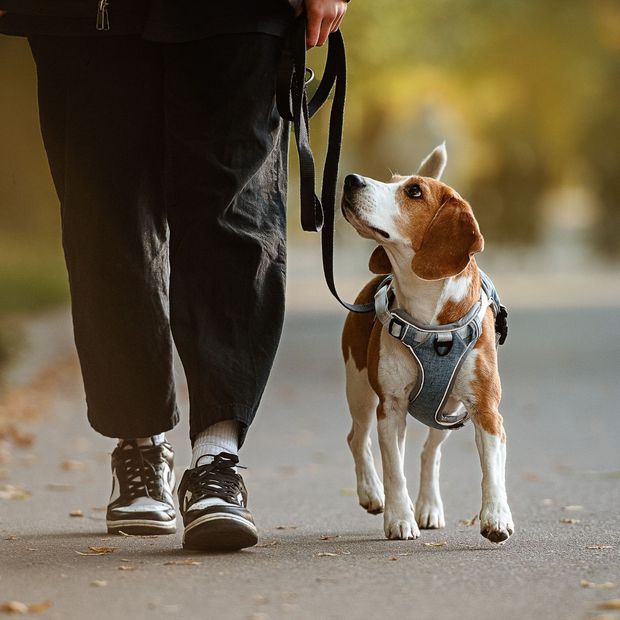
Keeping a consistent walking routine helps your dog feel secure and reduces confusion
Introduce New People Slowly
It can be tempting to invite friends and family over to meet your new dog straight away, but too many introductions too soon can be overwhelming.
For the first week or two:
- Keep visitors to a minimum
- Only introduce essential people, such as dog walkers or pet sitters
- Allow your dog to approach people in their own time
- Watch your dog’s body language carefully
Some rescue dogs feel more comfortable meeting new people outdoors on walks rather than inside the home.
Take Things Slowly on Walks
Many rescue dogs need time to adjust before exploring busy environments.
First Walk Tips for Rescue Dogs
- Avoid long or busy walks during the first few days
- Stick to quiet routes close to home
- Allow your dog time to sniff and explore
- Avoid crowded parks or high-traffic areas
- Don’t allow strangers to approach too quickly
Keeping walks calm and predictable can help build your dog’s confidence gradually.
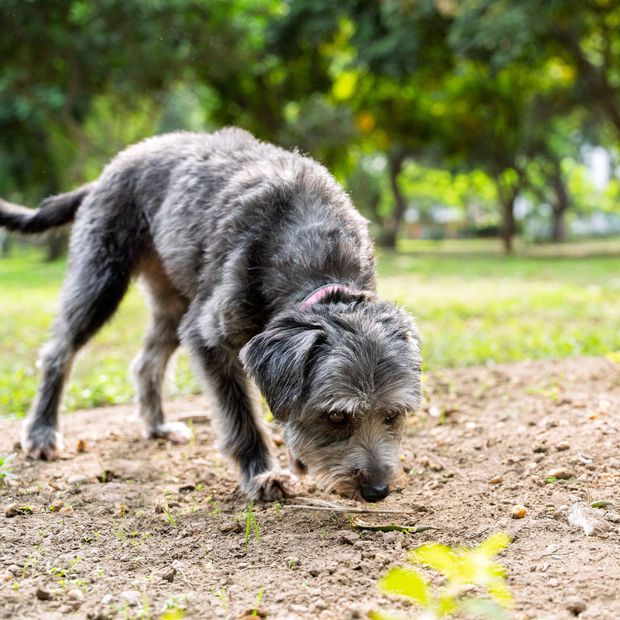
Allowing your dog to sniff and explore helps increase their confidence gradually
Keep Your Rescue Dog on Lead Initially
Until your dog has developed reliable recall, it’s safest to keep them on a lead or long line during walks.
Using a long training line allows your dog more freedom while keeping them secure. Secure dog fields can also be useful for practising recall safely.
Many rescue dogs may panic or run if startled in unfamiliar surroundings, especially during the early settling period.
Be Patient with Food and Eating Habits
It’s very common for rescue dogs to eat less than usual when they first arrive home. Stress and change can temporarily affect appetite.
To help:
- Keep their existing diet the same initially
- Avoid sudden food changes
- Introduce any new food gradually over 1–2 weeks
- Monitor their weight and eating habits
If your dog refuses food for an extended period or shows signs of illness, contact your vet for advice.
Building Trust Through Positive Reinforcement
Rescue dogs often respond best to calm, reward-based training. Focus on:
- Rewarding good behaviour with treats or praise
- Encouraging cooperation
- Avoiding punishment-based methods
- Keeping training sessions short and positive
Allow your dog to choose interaction where possible. Many trainers recommend the “three-second rule” when petting stroke your dog briefly, then pause to see if they want more contact.
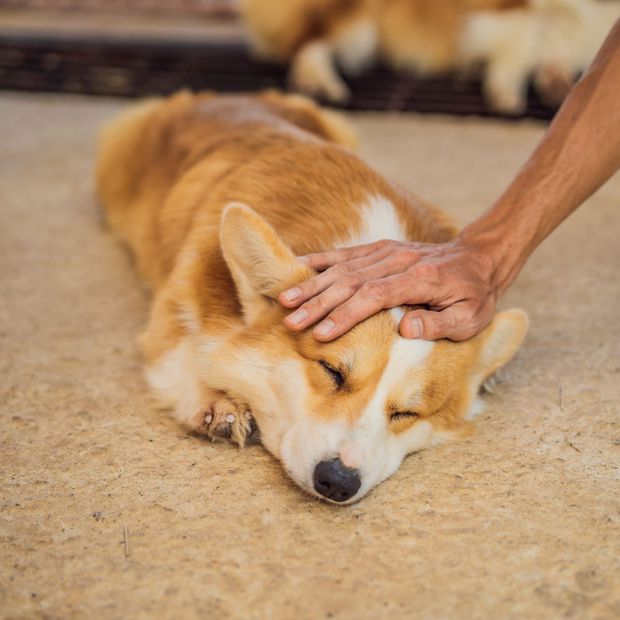
Using the 'three-second-rule' helps to understand your dog's limits on being touched
Introducing Children and Other Pets
Always supervise interactions between children and rescue dogs, particularly when the dog’s background is unknown.
When introducing existing pets:
- Take introductions slowly
- Use neutral spaces where possible
- Allow separate safe areas for each animal
- Never force interaction
A gradual introduction process helps reduce stress for everyone involved.
Register With Your Vet and Update Identification
Once your rescue dog is home, make sure to:
- Register with a local vet
- Store vaccination and microchip details safely
- Ensure ID tags are attached to collars
- Consider pet insurance for medical treatment and third-party liability
These practical steps help keep your dog safe and protected.
Final Thoughts: Give Your Rescue Dog Time
Every rescue dog settles differently. Some may bond quickly, while others need patience, reassurance, and space before fully relaxing in their new home.
The most important thing you can offer is consistency, understanding, and kindness. With time, your rescue dog will begin to feel safe, secure, and truly part of the family.