
Introducing a New Dog to Your Current Dog
Bringing a new dog into your family is an exciting time, but if you already have a dog at home, it's important to make sure their introduction is handled carefully. Even the friendliest dogs need time to adjust to sharing their home, space and family with a new companion.
A positive introduction can help both dogs feel safe and comfortable as they get to know one another. Taking things slowly, managing their environment and allowing them to build a relationship at their own pace will give them the best possible start.
At the National Animal Welfare Trust (NAWT), we recommend the following steps when introducing a new dog to your current dog.
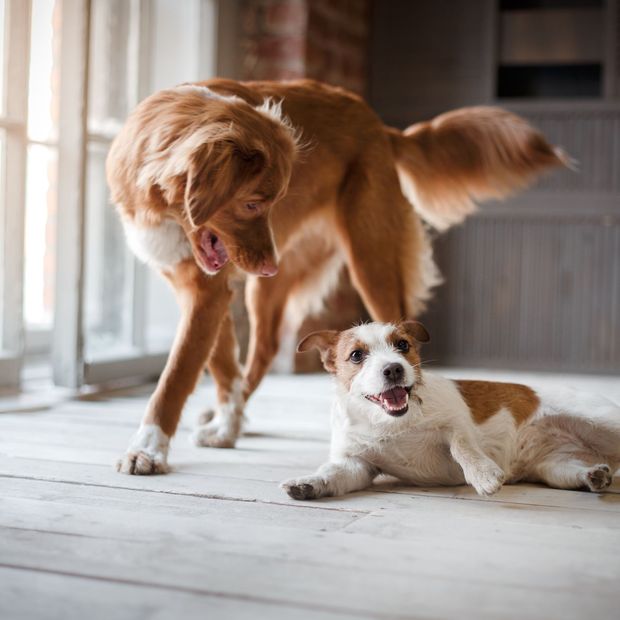
1. Start with scent swapping
Before your new dog arrives home, you can begin helping both dogs become familiar with one another through scent swapping.
Ask your rehoming centre for a blanket or item of bedding that smells of your new dog. You can then introduce this scent to your current dog, allowing them to investigate it in their own time. You can also provide something that smells of your current dog for your new dog to become familiar with.
Getting used to one another's scent before meeting in person can help make the transition into a shared home feel less unfamiliar.
2. Give each dog their own safe space
It's important that both dogs have somewhere they can retreat to when they need some peace and quiet.
Set up separate sleeping areas and make sure each dog has plenty of options for resting away from the other. These spaces are particularly important when your dogs are first getting to know one another and when you eventually need to leave them at home alone.
Having somewhere to relax without being disturbed can help reduce tension and prevent unnecessary conflict.
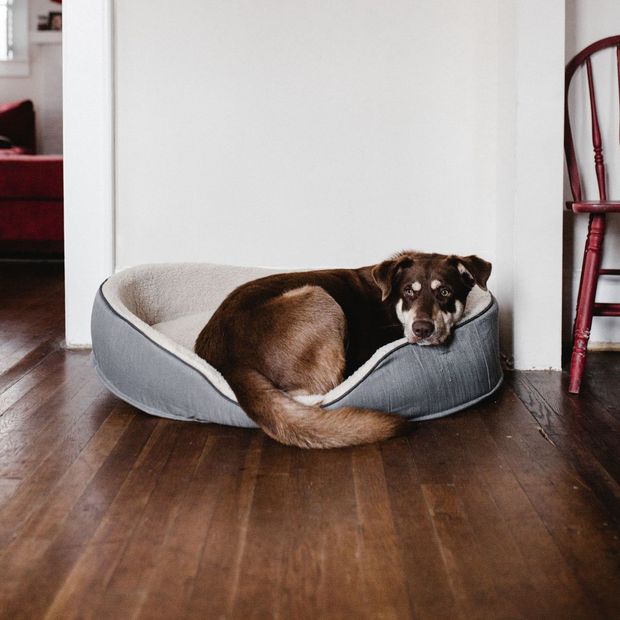
Supplying a bed for each dog provides a good safe place to retreat to
3. Feed your dogs separately
Food can be a source of tension between dogs, particularly when they are still establishing their relationship.
Make sure both dogs have a safe, separate place to eat. You can use baby gates or close doors to keep them apart during mealtimes.
The same approach should be used for long-lasting chews and enrichment activities. Giving each dog their own space to enjoy these items helps prevent competition and allows them to relax.
4. Remove toys and other high-value items
For the first few days, it's a good idea to remove toys and other high-value items from shared areas.
What each dog considers valuable will vary. For some, it might be a favourite toy, while for others it could be a long-lasting chew such as a marrow bone.
You should also remove food and food bowls from areas where both dogs are spending time together.
As the dogs become more comfortable around one another, you may be able to gradually reintroduce these items. For now, reducing potential sources of conflict is important while their relationship develops.
5. Supervise their interactions
Keep a close eye on how your dogs interact, particularly during the early stages of their relationship.
Play can sometimes become too boisterous or overwhelming, so be prepared to calmly interrupt if things start getting over the top. Giving the dogs a short break from one another can help them settle and prevent situations from escalating.
Learning to recognise canine body language is particularly useful. Pay attention to how both dogs are behaving and look out for signs that one may need some space.
Our dog body language guidance can help you understand what your dog may be communicating and when it might be time to step in.
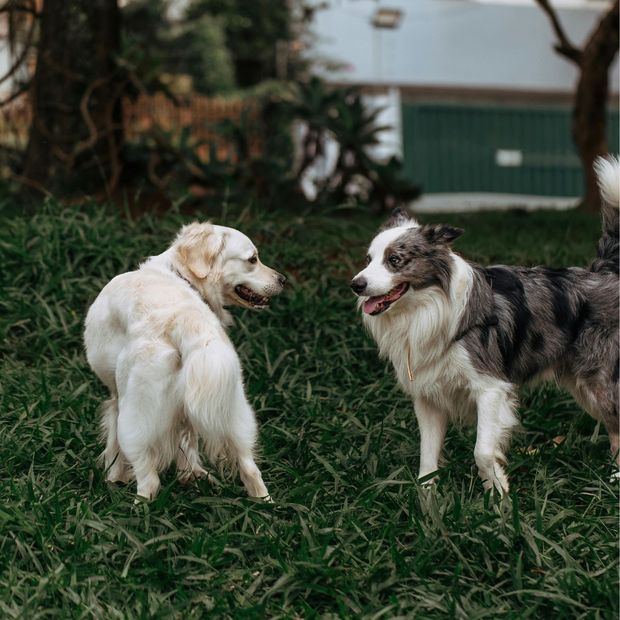
Ensure to keep an eye on your dog's body language during interactions
6. Make the journey home as calm as possible
Coming home to a new environment can be an overwhelming experience for your new dog, so it's important to keep the journey and arrival as relaxed as possible.
Where possible, ask family or friends to help with the arrangements. Your new dog should travel home separately from your current dog, rather than travelling together.
When you arrive home, arrange for the dogs to meet again in a neutral space. They may have already met at the rehoming centre, but another calm introduction can help before entering the home together.
Once you're ready, walk into the house calmly and unclip their leads. For the first few hours, leave their harnesses on so that you can easily and safely take hold of them if needed.
Remember: Give Them Time
Every dog is different, and some will settle into sharing their home more quickly than others. Don't expect your dogs to become best friends overnight. The most important thing is that both feel safe, have space when they need it and are given time to adjust.
By managing their environment, supervising interactions and avoiding potential triggers, you can help set the foundations for a positive relationship.