
How Cats Communicate: Understanding Your Cat’s Body Language and Behaviour
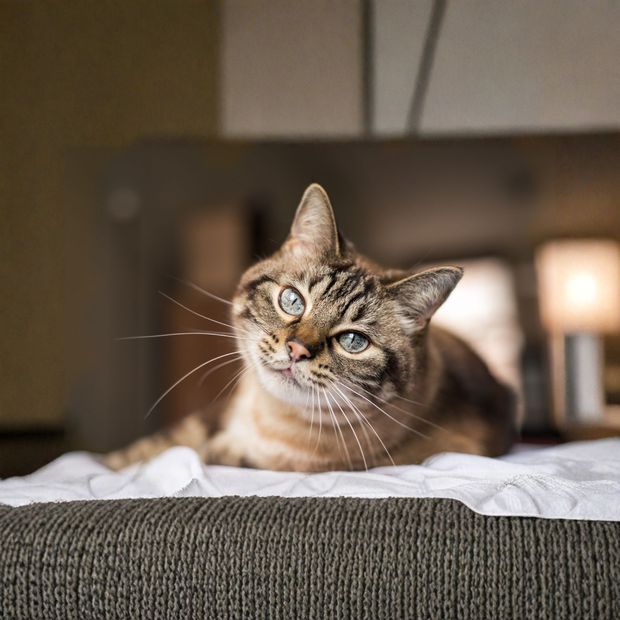
Cats may not speak our language, but they are excellent communicators. By learning to read your cat’s body posture, tail movements, facial expressions, and vocalisations, you can better understand how your cat is feeling and respond in a way that strengthens your bond.
In this guide, we explore the key ways cats communicate and what their behaviour really means.
Cat Body Language and Posture
A cat’s posture can tell you a lot about their emotional state.
Displaying the Stomach
When a cat rolls onto their back or stretches out, they are often feeling relaxed and content. This can be a friendly greeting, but it is not always an invitation for a belly rub. In some situations, exposing the stomach can also be a defensive position. If claws are extended and teeth are visible, the cat may feel threatened and ready to protect itself.
Crouching
A crouched cat may be worried or unsure about something in their environment. This posture suggests they are prepared to move quickly if needed.
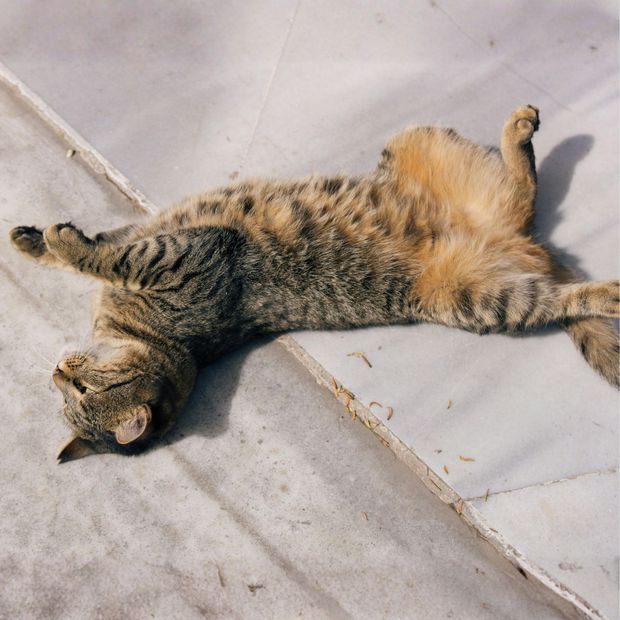
A cat rolling on it's back can be a friendly greeting, but not always an invitation for a belly rub.
Understanding Cat Tail Movements
Your cat’s tail is one of the clearest indicators of mood.
Tail Up
A tail held upright usually means your cat is happy and confident. This is a positive signal that interaction is welcome.
Thrashing or Thumping Tail
A rapidly moving or thumping tail often signals irritation or frustration. Something is bothering your cat, and it may be best to give them space.
Bottle Brush Tail
When a cat’s tail becomes puffed up, they are feeling defensive and trying to appear larger to a perceived threat. This behaviour often occurs when a cat feels frightened or ready to fight.
Tail Twitching
Cats may twitch the tip of their tail while playing or hunting. However, tail twitching can also indicate mild annoyance or overstimulation.
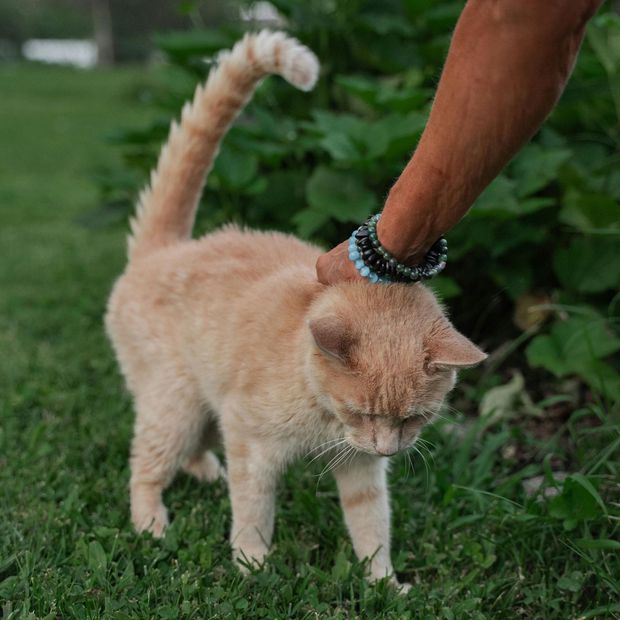
A tail held upright usually means your cat is happy and confident.
Scent Marking: How Cats Claim Their Space
Cats have scent glands in their cheeks, forehead, chin, and at the base of the tail. When your cat rubs against you, furniture, or other objects, they are marking their territory and claiming what they consider “theirs.” This is a normal and reassuring behaviour.
Cat Facial Expressions Explained
Cats also communicate through subtle changes in their face.
Ears
- Facing forward: Your cat is relaxed, interested, or content.
- Sideways or turned back: Indicates alertness, arousal, or distress.
- Flat back with hissing or swiping: Your cat feels threatened and uncomfortable.
Eyes
- Slow blinking: A sign of trust and affection. Slow blinking back at your cat can help them feel safe and relaxed.
- Dilated pupils: Indicates arousal, which could be excitement, fear, or interest. This can also happen in low light.
- Narrow (slit) pupils: Often seen when a cat is feeling calm or focused.
It’s important to look at your cat’s overall body language, rather than focusing on just one signal, to understand how they’re feeling.
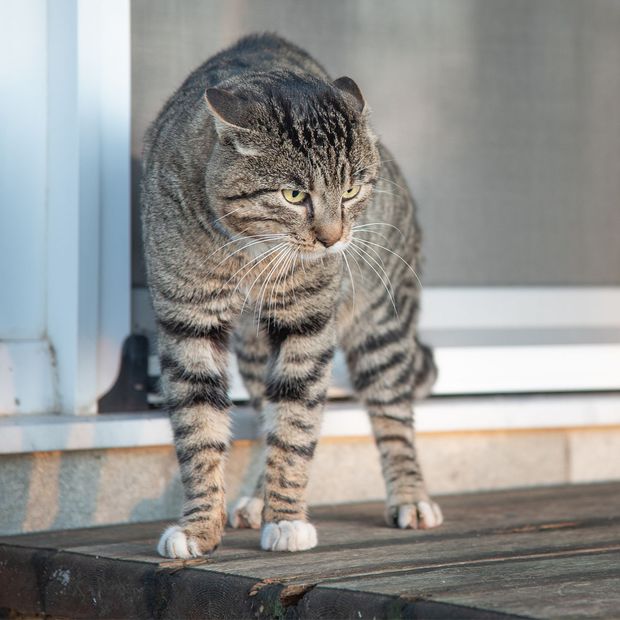
Your cat may feel threatened and uncomfortable when their ears are back.
What Does Purring Really Mean?
Purring is often associated with happiness and relaxation, but it isn’t always a sign of contentment. Cats can also purr when they are anxious, worried, or in pain. Observing your cat’s posture and behaviour alongside purring will give you a clearer picture of their emotional state.
Cat Vocalisations and Their Meanings
Cats use different sounds to communicate, especially with humans.
Meowing
Adult cats rarely meow at other cats. Meowing is primarily how cats communicate with people, usually because they want something, such as food, attention, or access to a room.
Chirping
Mother cats use chirping sounds to call their kittens, but adult cats may chirp at humans as a sign of affection or excitement.
Hissing
Hissing is a clear warning. It means your cat feels threatened or vulnerable and needs space.
Final Thoughts: Learning Your Cat’s Language
Every cat is unique, and communication signals can vary slightly between individuals. By paying attention to body posture, tail movement, facial expression, and vocal sounds together, you’ll be better equipped to understand your cat’s needs and emotions.
Learning to “speak cat” not only helps prevent stress and misunderstandings, it also builds trust and deepens your relationship with your feline companion.
You can find more animal advice on our website here.