
E-Collars banned 1st February 2024
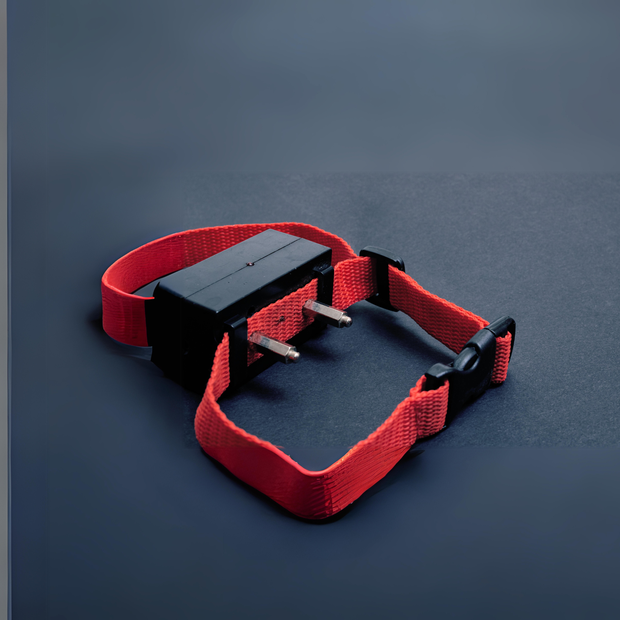
Starting February 2024, the use of electric shock collars, also known as E-collars, will be prohibited in the UK.
Until recently, this type of collar was primarily used by some dog owners for training. The collars come designed with contact points that sit on the dog’s neck and can be controlled via a remote in the owner’s possession. These contact points allowed the owner to deliver an electric current to the dog which can range from mildly uncomfortable to painful, depending on the level of intensity. Some owners may have opted for this collar to correct unwanted dog behaviour by using a method that the dog would dislike, knowing it would teach the dog to want to avoid being shocked.
Unpleasant methods like the e-collar, motivate dogs through discomfort, fear and/or pain. Not only is this harmful to the animal and their well-being but damaging to the bond between dog and owner.
At our centres, we use reward-based training to encourage repetitions of the behaviour we want to see in an animal. For example, if we wanted to work with a dog to train them to stop pulling, we would encourage them to walk on a loose lead and then treat where necessary. Over time, the dog would learn to repeat this behaviour to receive the desired reward. These can be different for each dog, so it’s important to find out what motivates them. This could be food, toys, or praise. When the dog is rewarded, it releases dopamine (the lovely happy chemical) into their brains and makes them feel good. Positive emotional rewards help to facilitate learning and create a stronger bond between a dog and their owner – all the more reason to do it!
So, why do or did people use aversive methods like e-collars when positive reward-based training exists? The simple answer is they deliver fast results as the dog will quickly become motivated to avoid discomfort and pain. However, this also means you are purposefully creating fear in a dog and as a result, teaching them to fear you.
The takeaway message is – just because something works, doesn’t justify the use. As a dog owner, you always need to be vigilant to any training advice given. We always recommend speaking to a professional dog trainer, your vet, or speaking to a member of staff here at NAWT.
Please keep an eye on our website, and socials, over the coming months as we will be focussing on different positive reward training techniques.